
Tactics & strategy
Reading volleyball systems on the court
Offensive setups, rotational defense and in-game scouting, explained with clear diagrams and checkable reasoning so club players can apply them without needing a complex playbook.
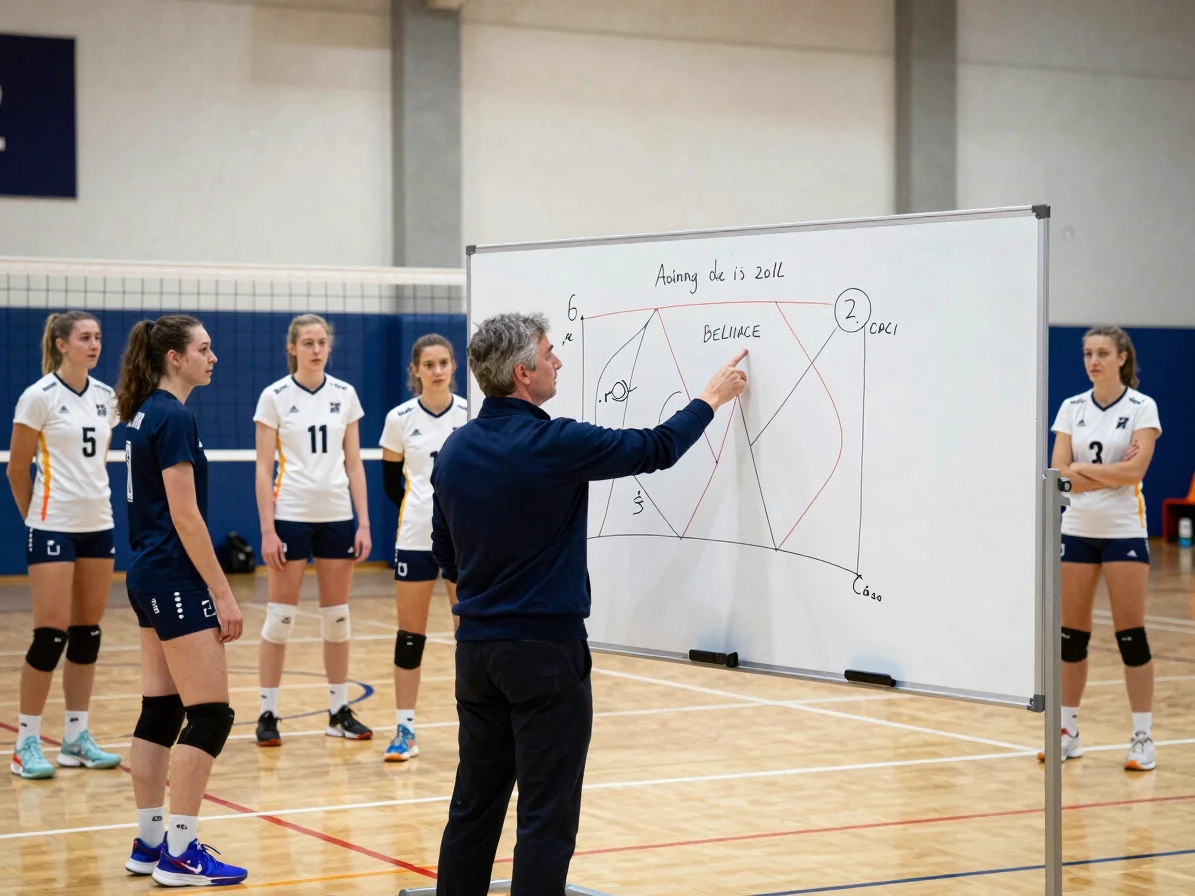
Offense
5-1 and 6-2 offenses
A 5-1 keeps one setter in the front row at all times, giving a constant hitting option. A 6-2 places two setters in opposite rotations, so one is always available to set from the front line.
Coaches choose between them based on roster strength, passing quality and the number of quality hitters available in each rotation.
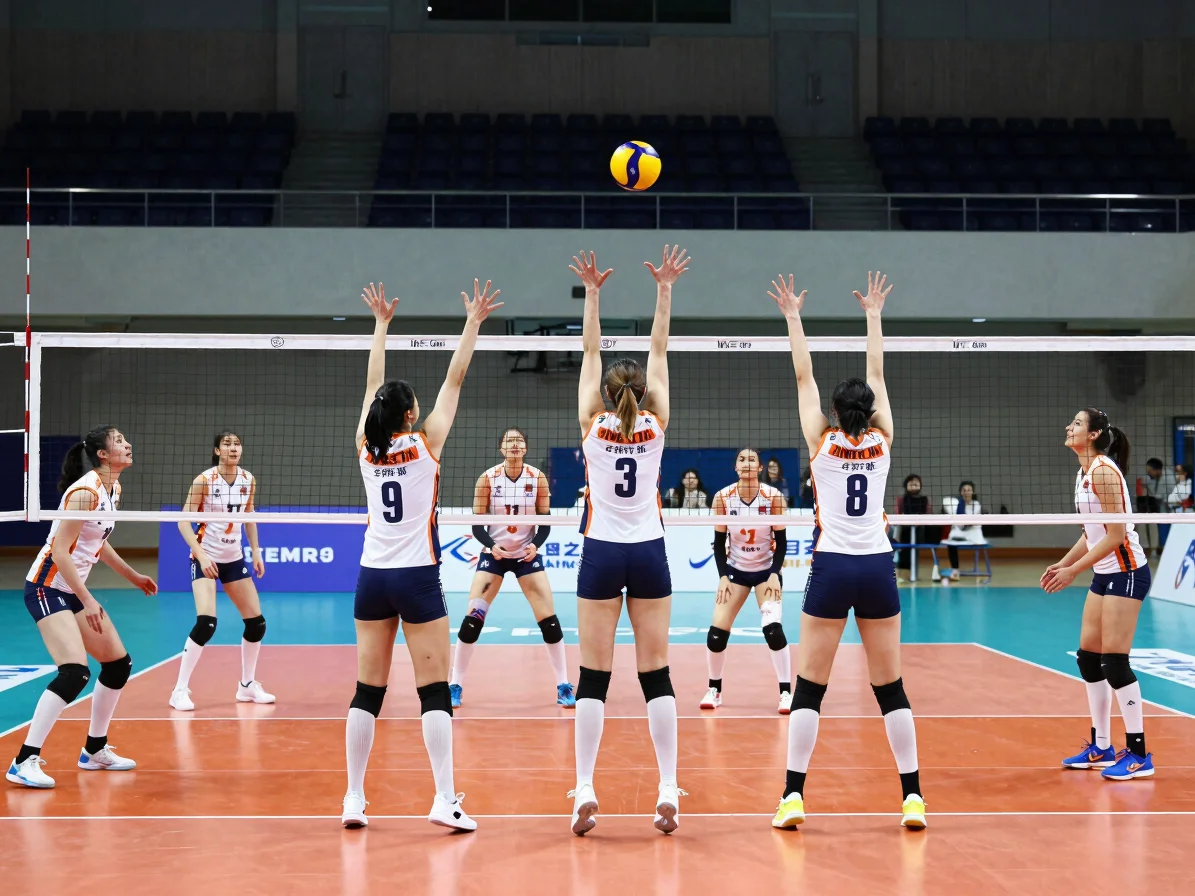
Defense
Perimeter versus rotational posture
Perimeter defense spreads blockers and defenders along the net to cover lines and cross-court angles. Rotational defense moves the block and back row together as the ball is struck, reacting to the setter's tendency.
Both postures require the same basic footwork; the difference lies in the timing of the first step.
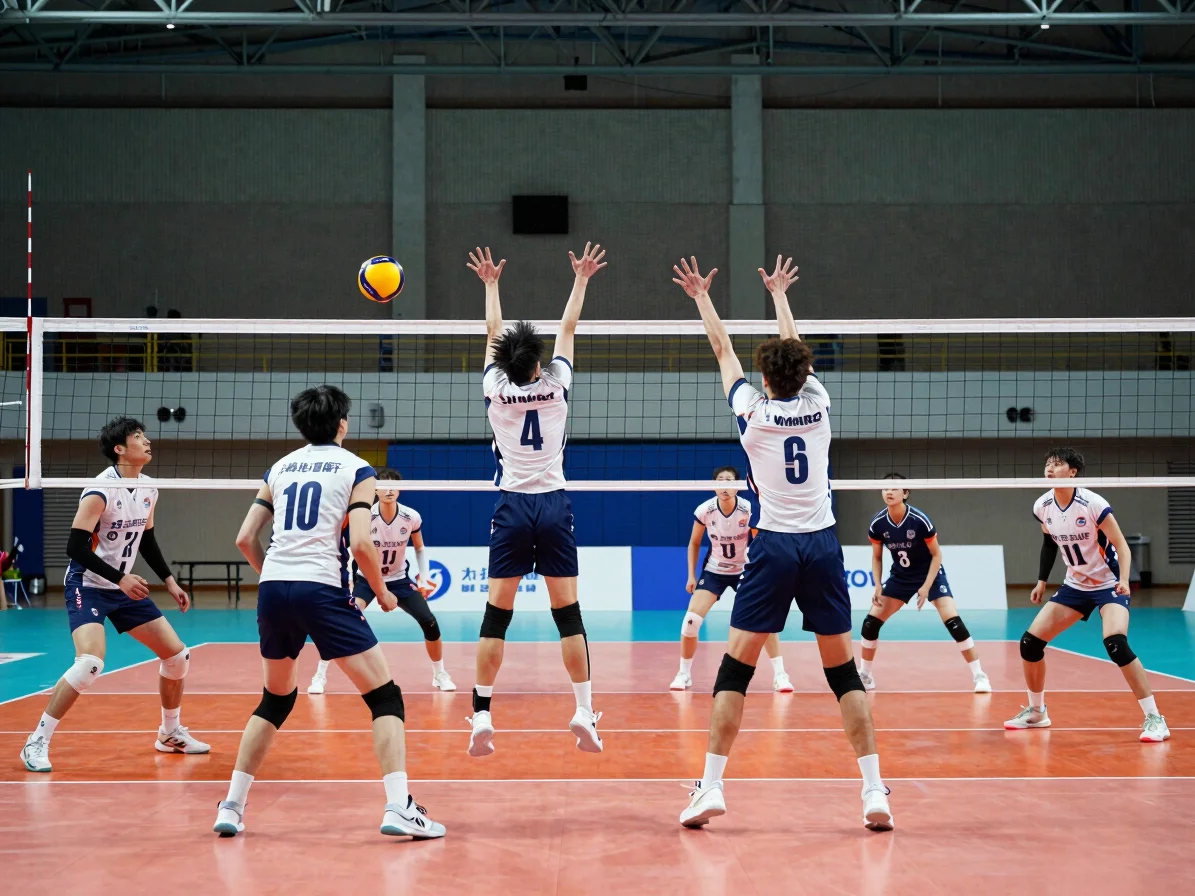
Scouting cues
What to read during the match
01 · Setter tendency
Track which hitter the setter targets in the first two rallies of each set. Repeated patterns, such as a favored zone on a given rotation, indicate a likely option.
02 · Blocker pin-close
Watch whether the outside blocker closes toward the pin or leaves the line open. A late close often signals that the opponent expects a line attack.
03 · Serve-receive shape
Note which passer receives the most serves and whether the team shifts its formation to protect that player. Adjusting the setter's position to the pass is a common quick-set cue.