
Culture & history
Volleyball in France: from the schoolyard to the modern hall
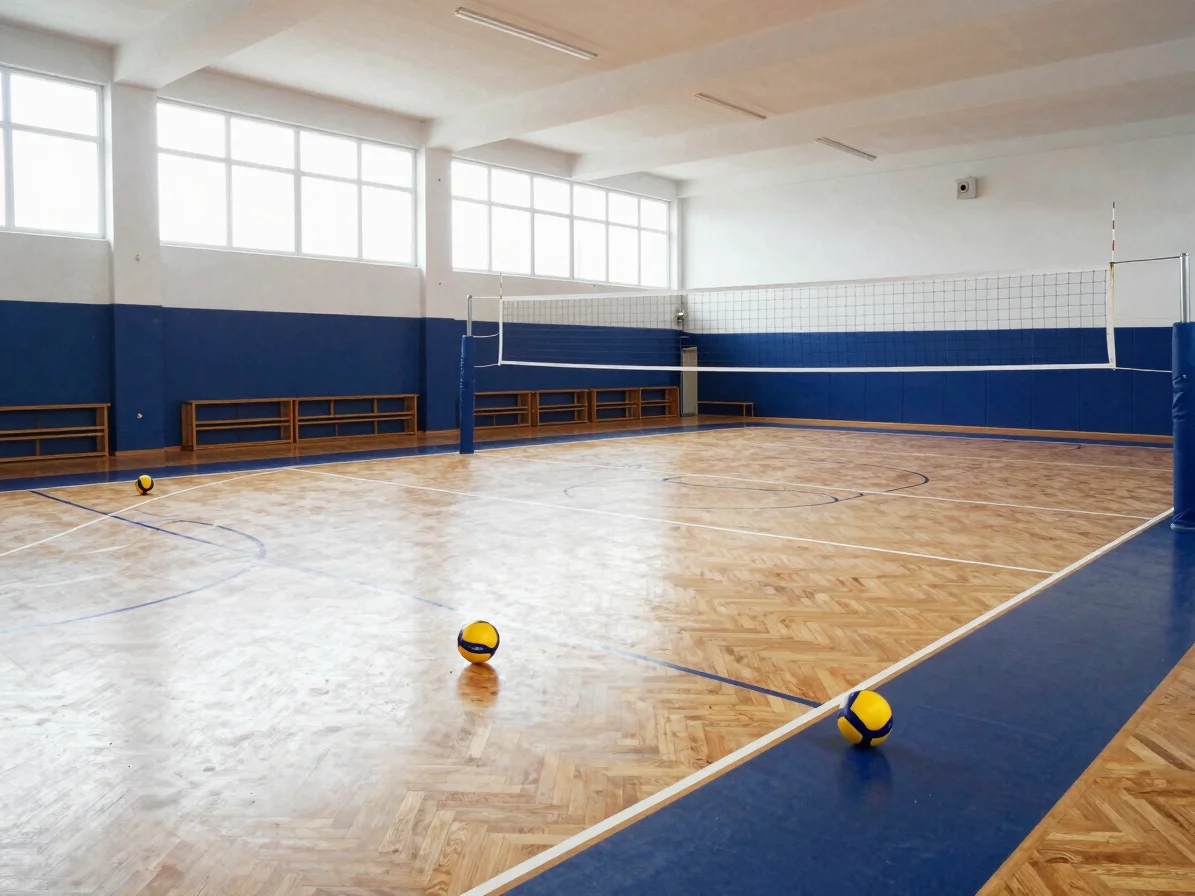
Volleyball reached French schools, clubs, and public parks long before it filled today's indoor arenas. This dossier traces how the game took root locally and how its rituals took shape.
Historical dossier
From seaside recreation to precise indoor play
In its early years, volleyball in France was largely a recreational pastime, played on beaches and in open parks with loose rules and mixed groups of friends. Its arrival in physical education programs gave the game a structure that schools and municipal sports services could repeat from one town to the next. As gymnasiums spread through French towns, the sport moved indoors. Court dimensions, net heights, and rotation rules became standardized, and play shifted toward the controlled passing, setting, and attacking that define the game today.
The transition was gradual rather than sudden. Many clubs kept a social, open-door character while adopting the technical discipline that competitive indoor volleyball demanded. Today's amateur and youth circuits still carry both traditions side by side.
Court culture
Respect at the net, camaraderie after the final whistle
French volleyball culture rests on a few shared habits: shaking hands across the net, honoring the referee, and gathering with the other team once the match is over. Local tournaments, school leagues, and weekend halls keep these rituals alive, and they remain as much a part of the sport as any rotation or attack. Categories of coverage in this archive include court technique and rituals, municipal and school history, regional tournament life, and the evolving role of volleyball in French community sport.