
Gear
Independent gear testing for volleyball players
Our reviews of volleyball shoes, kneepads, and balls follow published criteria: lateral grip, forefoot cushioning, ankle containment, sleeve breathability, bladder retention, and flight. No sponsor payments, no store links, no affiliate commissions decide what we test or how we rate it.
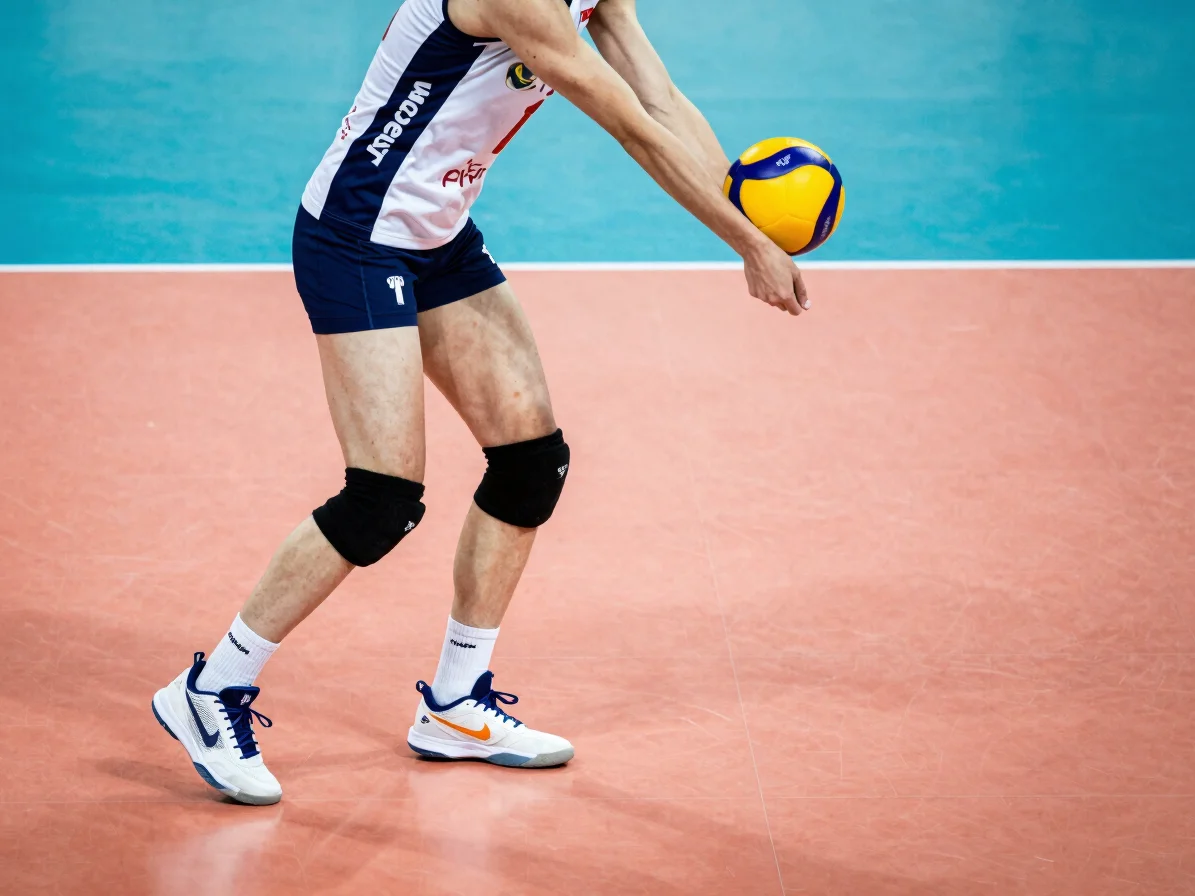
Court shoes
What we check in a volleyball shoe
We score each shoe on the same three tests so results can be compared across models.
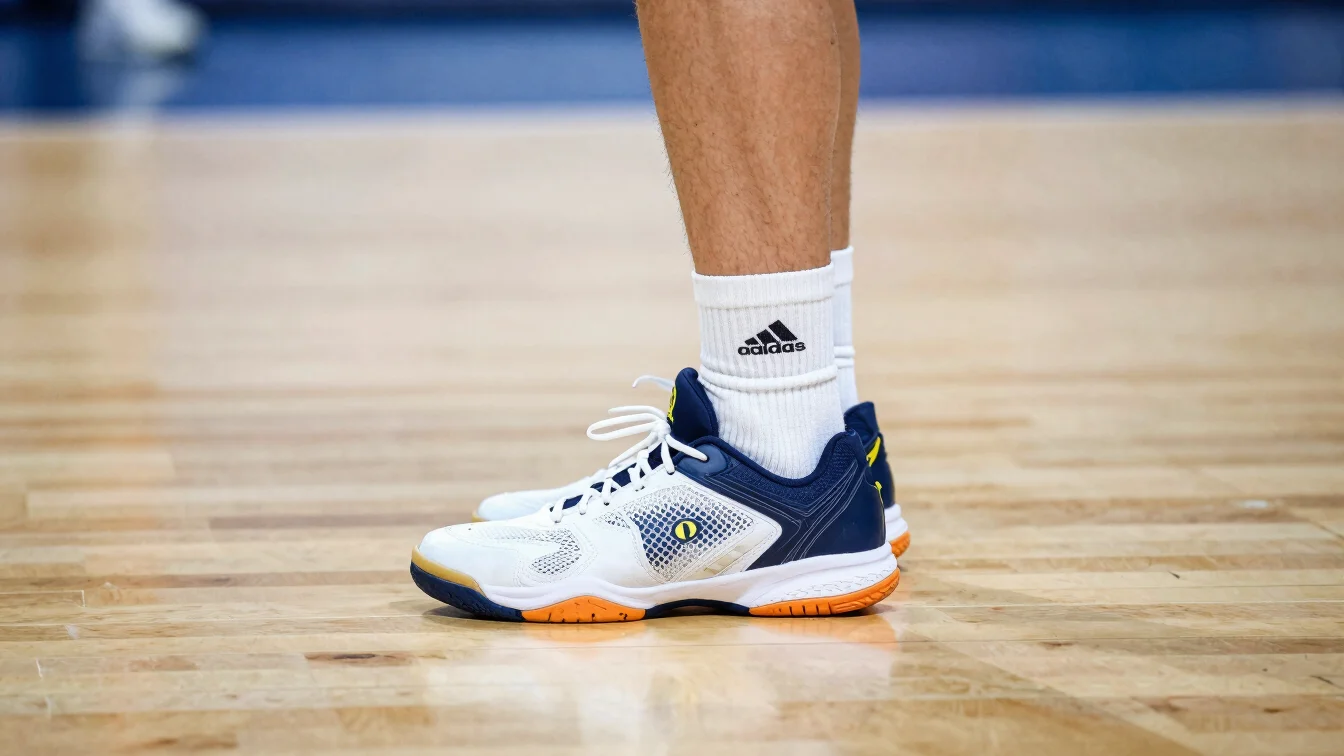
Grip
Lateral grip
We test outsole rubber compound on a sealed sports-hall floor, measuring how the shoe holds during lateral shuffles and quick direction changes.
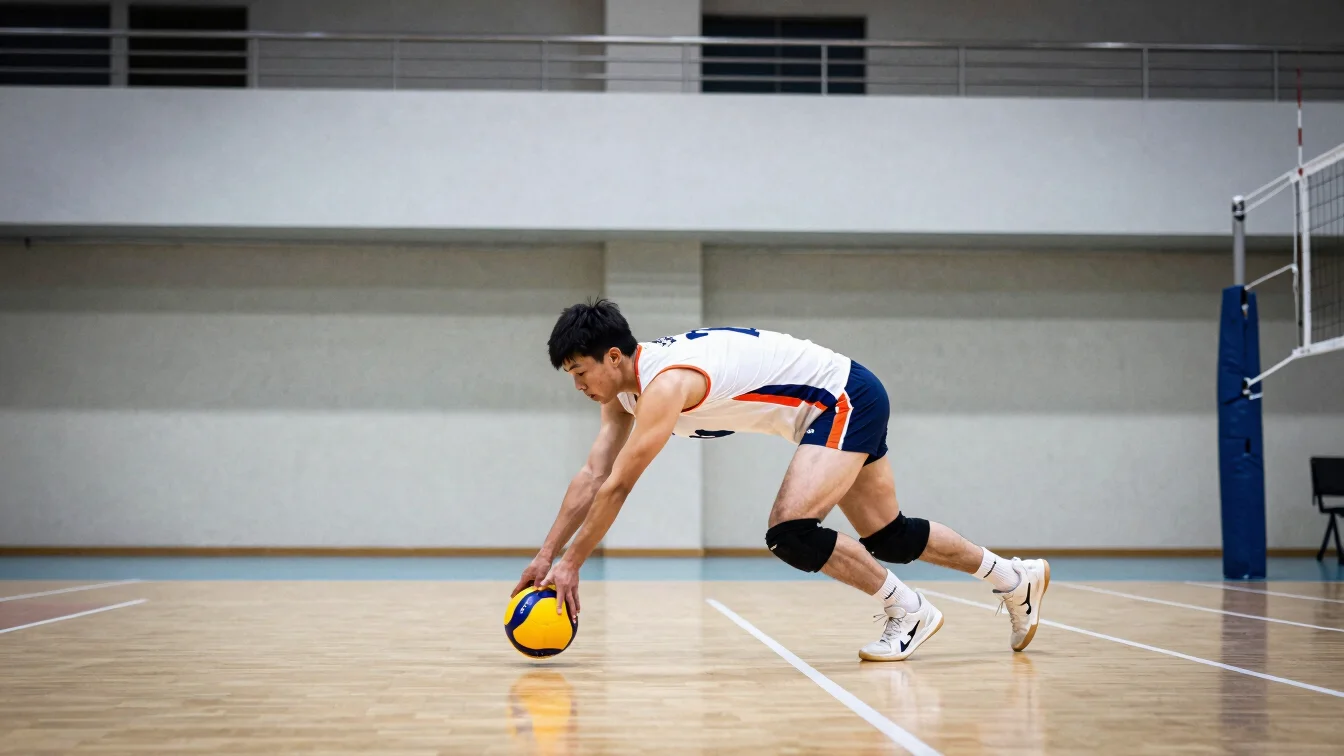
Cushioning
Forefoot cushioning
We compare midsole foam density under the forefoot, the area that absorbs landings from jump serves and blocks.
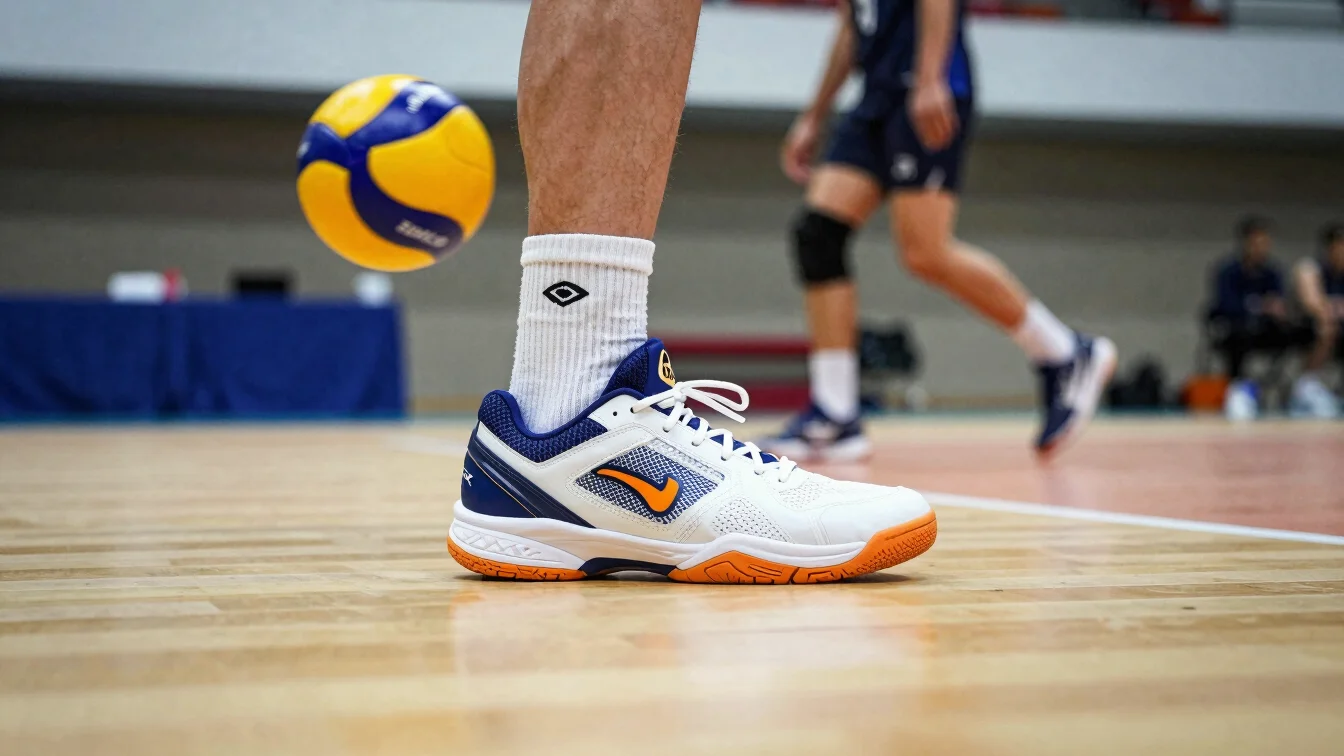
Support
Ankle containment
We assess heel counters and collar height, noting how well the shoe supports the ankle without restricting ankle mobility.
Buying criteria
Ball pressure, net height, and kneepad selection
Ball pressure matters more than most players expect. A ball inflated to the manufacturer's recommended range keeps its flight consistent, and under-inflation changes how a serve or set behaves. Check the pressure before each session and note the reading. Net height is set by the rules for each competition level and age group. Before you choose any equipment, confirm the height your league uses, because a ball and shoe that suit one court may be less practical on another.
Kneepads should protect without slipping. We rate sleeve breathability and foam durability separately, because a pad that cushions well but traps heat or loses its shape after a few months does not serve a player who trains several times a week. We judge equipment by how it performs in a real session, not by marketing claims. Where a product's performance cannot be checked, we say so.