
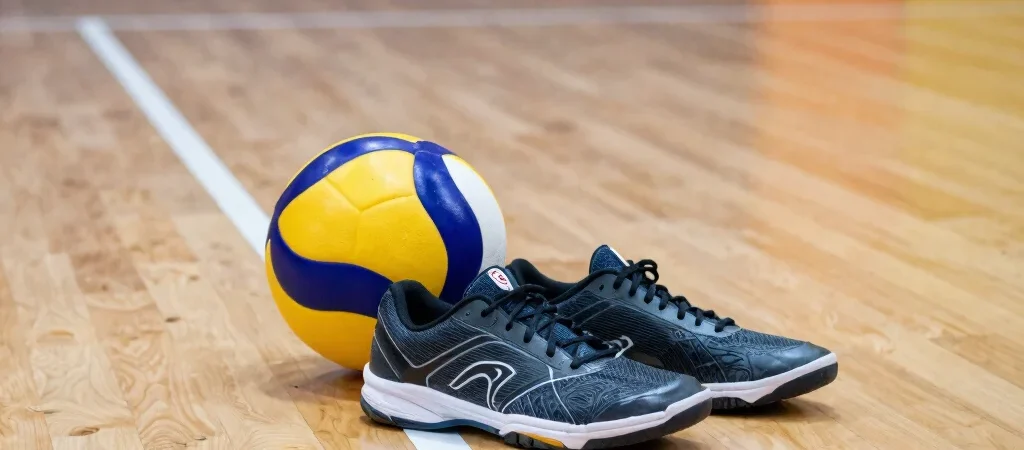
A shoe can feel fine while standing in a shop and still become distracting when you brake near the sideline or land after a block. Indoor floors also vary between gyms, so one person’s preference is not a universal verdict. Here is a practical way to assess fit and playing feel without treating marketing features as proof of performance.
Start With the Fit
Try shoes with the socks you normally wear for volleyball, and check that your heel feels held without painful pressure. Your toes should have room when you bend your knees and shift forward, while your foot should not slide noticeably inside the shoe during a controlled side step. If you can, try both feet and take a few gentle changes of direction before deciding.
Consider Your Court
A clean indoor court and a dusty or marked-up surface can feel different underfoot, and the same sole may not feel identical in every gym. Check that the shoe is intended for indoor use and follow the venue’s rules about footwear. If traction feels inconsistent, inspect the sole and the court rather than assuming that a more dramatic-looking tread will solve it.
Notice the Trade-Offs
A snug fit may feel secure to one player and restrictive to another, while a lighter shoe may not suit someone who prioritizes a more substantial feel. Compare comfort, stability, and freedom of movement in the context of your own sessions; no single feature tells the whole story. Keep notes after a few practices, and stop using footwear that causes pain or feels unsafe.